Packaged drinking water is often the first business aspiring beverage entrepreneurs consider — steady demand, simple product, repeat purchase. But success depends on doing the basics right: compliance, quality and distribution economics.
Licenses You Will Need
- BIS certification (IS 14543): Mandatory for packaged drinking water in India.
- FSSAI license: Required for any food business operation.
- Pollution control consents: From your state pollution control board.
- Local registrations: Factory license, trade license and water extraction permissions as applicable.
Inside the Plant
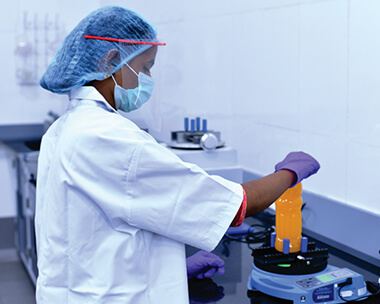
A compliant water plant is a chain of treatment stages: raw water storage, sand and carbon filtration, softening or RO (reverse osmosis), micron filtration, UV sterilization and ozonation, followed by automatic rinsing-filling-capping. A quality lab for daily testing is mandatory, not optional.
The Profitability Reality
- Margins are volume-driven: Per-bottle margin is small; distribution reach decides profit.
- Jar segment vs bottle segment: 20-litre jars serve local institutional demand with better repeat economics; bottles need wider retail reach.
- Distribution radius: Water is heavy and cheap — transport cost limits your viable market to a practical radius around the plant.
- Quality failures are fatal: One contamination incident can end a local water brand.
Start with a Real Plan
ARHAS sets up complete mineral and packaged drinking water plants — from feasibility study and DPR to water treatment systems, filling lines, BIS compliance support and operator training. Talk to us before you buy your first machine.