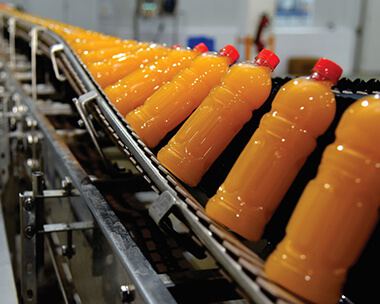
Behind every fruit drink is an industrial ingredient most consumers never think about: processed fruit pulp. Understanding how pulp is made explains why beverage quality starts long before the bottling line.
Stage 1: Sourcing & Ripening
Fruit is procured at optimal maturity from farmer networks and ripened under controlled conditions. Variety selection matters enormously — Totapuri and Alphonso mangoes, pink and white guava each yield distinct flavour, colour and economics.
Stage 2: Washing, Sorting & Inspection
Multi-stage washing removes field contamination; inspection lines reject damaged or under-ripe fruit. Only sound fruit enters processing — defects concentrate, they never disappear.
Stage 3: Pulping & Refining
Fruit is destoned and passed through pulpers and finishers that separate pulp from skin, seed and fibre. Successive finer screens produce smooth, uniform puree.
Stage 4: Thermal Processing
The pulp is pasteurized or sterilized to destroy spoilage organisms and inactivate enzymes that cause browning and flavour loss. Time-temperature control here decides how "fresh" the pulp tastes months later.
Stage 5: Packing — Aseptic or Frozen
- Aseptic packing: Sterilized pulp fills pre-sterilized bags in drums — shelf-stable for months without refrigeration, the global standard for beverage supply.
- Canning & freezing: Alternative formats for specific applications and markets.
Why It Matters to Beverage Brands
Consistent pulp — stable brix, acidity, colour and microbiology — is what allows a mango drink made in March to taste identical to one made in November. Pulp specification and supplier quality are strategic decisions for any fruit beverage brand.
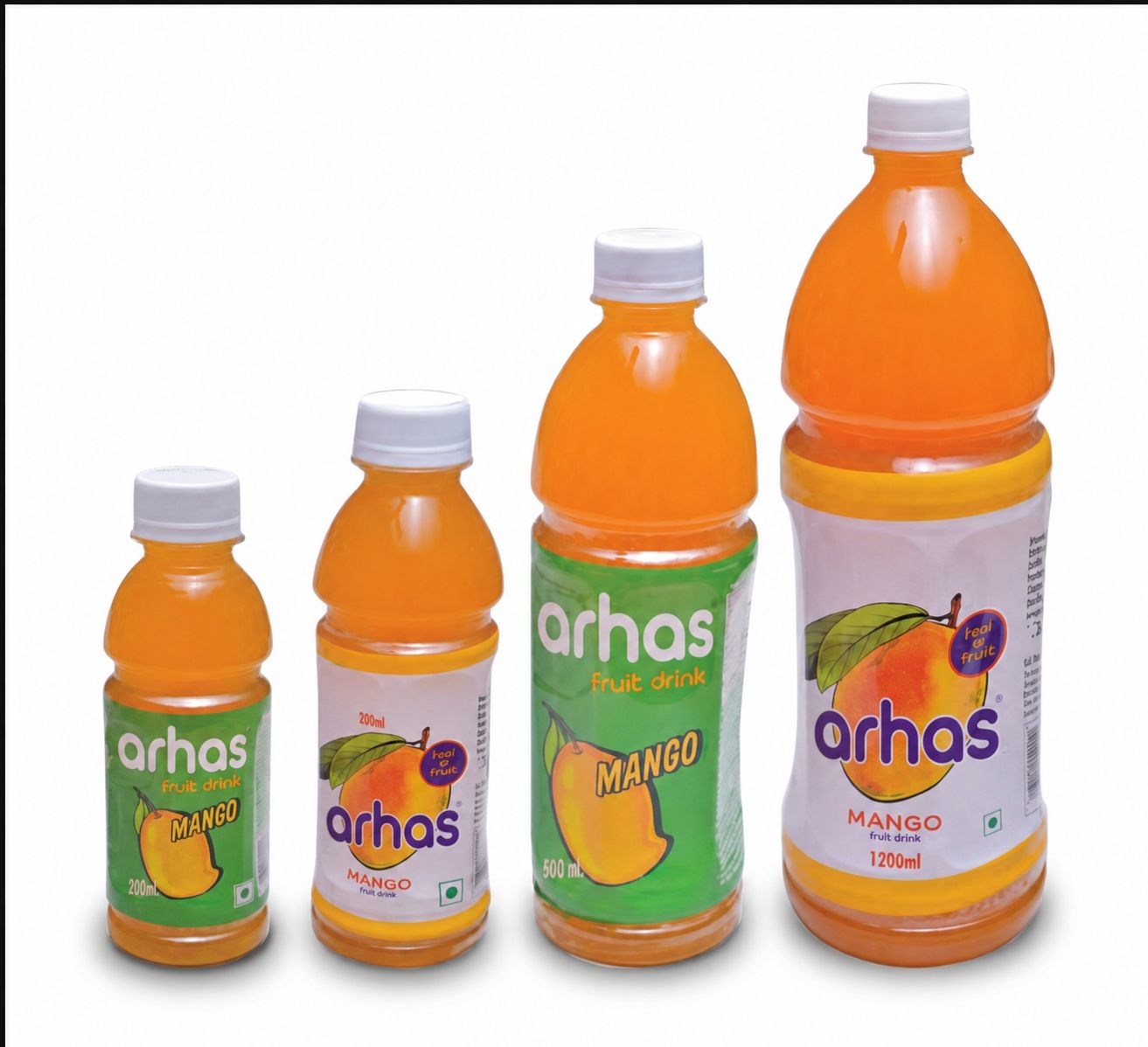
ARHAS works across this entire chain: fruit processing plant setup, pulp-based product formulation and contract manufacturing of fruit beverages — connecting the orchard to the shelf.