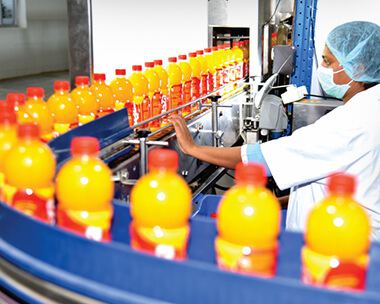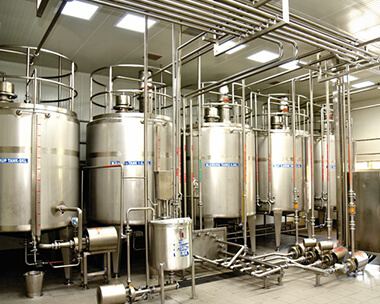
In a modern beverage plant, the most important process is one consumers never see: cleaning. Clean-in-Place (CIP) systems sanitize tanks, pipes, pasteurizers and fillers automatically — without dismantling anything — and they are the difference between consistent quality and contamination roulette.
How CIP Works
A CIP cycle circulates cleaning solutions through the same pipes and vessels your product flows through, in a controlled sequence:
- Pre-rinse: Recovered water flushes out product residue.
- Caustic wash: Hot alkali dissolves organic soils — sugars, pulp, proteins.
- Intermediate rinse: Clears caustic from the circuit.
- Acid wash: Removes mineral scale and beverage stone.
- Final rinse & sanitization: Treated water plus hot water or approved sanitizer leaves surfaces microbiologically safe.
Why It Beats Manual Cleaning
- Repeatability: Time, temperature, concentration and flow are controlled by recipe — no operator shortcuts.
- Verification: Conductivity and temperature sensors prove each cycle completed correctly, with records for audits.
- Speed: Lines return to production in hours, not shifts.
- Safety: Operators never handle open hot chemicals inside vessels.
Design Decisions That Matter
Single-use vs recovery CIP, number of circuits, spray ball coverage in tanks, dead-leg elimination in piping and correct flow velocities all decide whether your CIP actually cleans or just appears to. These are engineering choices made at plant design stage.
Every plant ARHAS delivers includes properly engineered CIP infrastructure — because hygiene you can prove is the foundation of every beverage brand's promise.