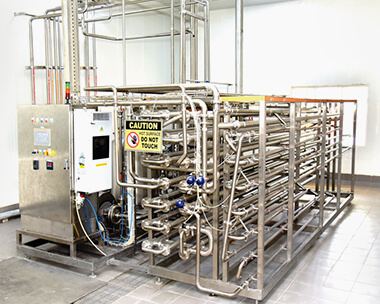
Two plants can have identical machinery and completely different profitability — because layout decides how smoothly people, materials and products flow. Layout mistakes are also the most expensive to fix later, since they are cast in concrete.
Core Layout Principles
- One-directional flow: Raw material to finished goods should move forward only — never crossing back over clean zones.
- Zoning: Separate wet and dry areas, high-care and low-care zones, processing and packing halls.
- Hygienic design: Coved corners, sloped drainage, washable surfaces and pest-proofing built in from day one.
- Utility proximity: Boilers, chillers and compressors placed to minimize costly pipe runs and energy losses.
- Expansion headroom: Space and utility capacity reserved for the line you will add in year three.
Line Design & Balancing
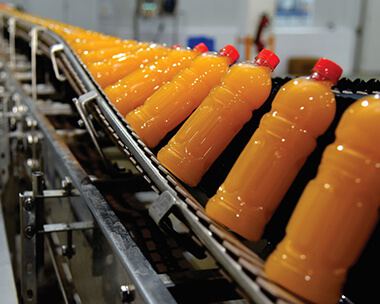
Within the production hall, machine speeds must be balanced — the filler is the heart, and upstream/downstream equipment (blowing, labelling, packing) is rated slightly faster so the filler never starves or blocks. Buffer conveyors absorb micro-stoppages that would otherwise halt the whole line.
The Numbers That Matter
- OEE (Overall Equipment Effectiveness): The single best measure of line health.
- Changeover time: Fast format changes multiply your effective capacity.
- Energy per case: Layout and utility design show up directly in this number.
ARHAS provides plant layout design, process engineering, capacity optimization, automation integration and future expansion planning — creating production systems that deliver maximum output at minimum operating cost.